
Case Study – eCards Lifecycle Overhaul
Engineering a Way Around Supply Chain and Obsolescence Risk
SMRT Trains · Singapore
How do operators maintain safety critical electronic systems when OEM support timelines exceed operational limits without compromising safety, compliance, or service reliability?
Across modern rail systems, electronic cards are embedded in propulsion, braking, signalling, communications, and station equipment. These components are often subject to fixed overhaul cycles mandated by safety requirements. When OEMs discontinue support, extend lead times, or impose costly replacement programmes, operators face a critical risk: wait and disrupt services, or replace entire systems prematurely.
SMRT faced this challenge at scale. Safety critical electronic cards required mandatory overhaul, yet OEM replacement lead times exceeded 500 days. Delaying overhaul was not an option. Nor was wholesale replacement, which would introduce significant cost, operational disruption, and dependency risk. Any solution had to preserve regulatory compliance, ensure reliability, and work within live operations.
The STRIDES Approach
From Procurement Dependency to Certified Engineering Capability
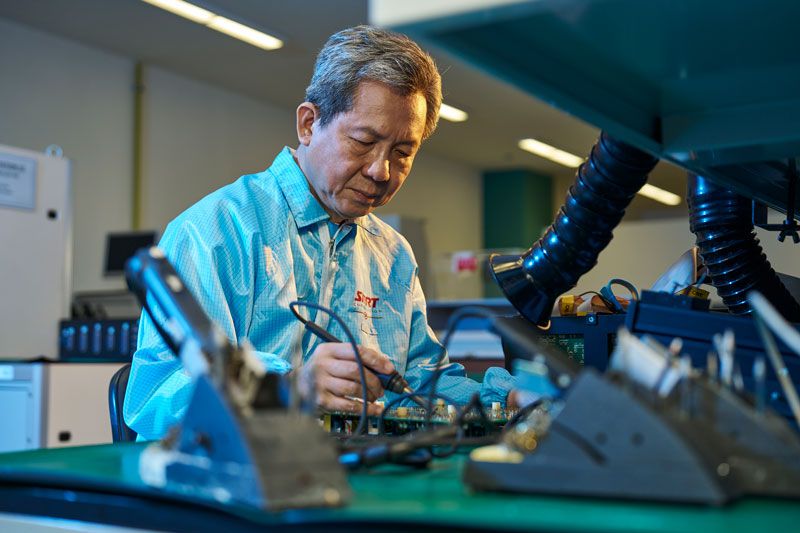
STRIDES Technologies engineered a component level lifecycle solution that shifted the problem from procurement to disciplined engineering. Rather than replacing entire electronic cards, STRIDES developed certified methodologies to identify, replace, and verify life limited components within each card—while preserving system integrity.

This approach was built around real operational demands:
Zero tolerance for safety compromise
Full traceability and audit readiness
Compatibility with existing systems
No disruption to daily services
Key elements included:
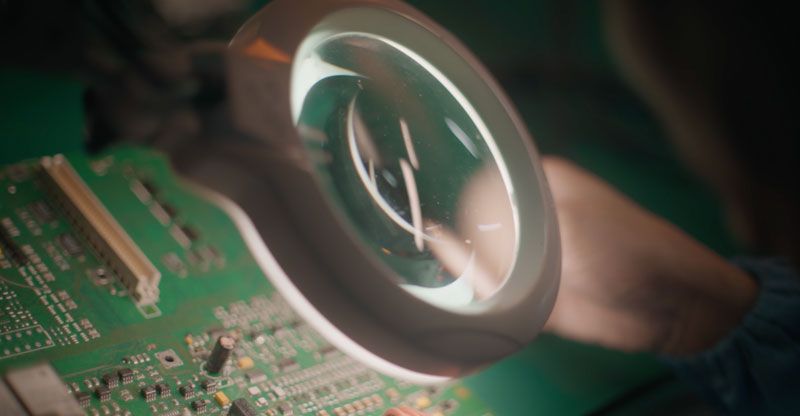
Failure modes and degradation patterns were analysed to identify components responsible for lifecycle limits. Replacement methodologies were developed and validated to meet safety and regulatory standards.
Custom Automatic Test Equipment (ATE) and specialised test benches were designed to simulate real operating conditions, enabling precise fault isolation, functional verification, and repeatable quality outcomes.
By decoupling maintenance from OEM replacement cycles, STRIDES eliminated single vendor dependency while maintaining full compliance and reliability.
The solution was implemented within SMRT’s live operating environment, ensuring cards could be overhauled, tested, and returned to service without affecting daily rail operations.
Impact
100% adherence to mandatory overhaul schedules
Complete elimination of OEM dependency for affected electronic cards
Over SGD 21 million in cost savings through avoided replacements
Certified, repeatable electronics overhaul capability established in house
Improved long term resilience against obsolescence and supply chain shocks
What began as a supply risk became a permanent internal capability—one that strengthened SMRT’s control over safety critical assets.
Why It Matters
Lifecycle Control Without System Replacement
eCards demonstrates that operators do not have to accept supply chain constraints as an inevitability. With disciplined engineering, safety critical electronics can be sustained, verified, and extended without premature system replacement or loss of regulatory confidence.

What Other Operators Can Learn
Obsolescence risk can be engineered out, not just managed
Component level expertise creates long term resilience
Regulatory alignment is enabled through discipline, not OEM dependency
Lifecycle extension protects both reliability and capital budgets
eCards shows how operator led engineering—applied under real operational pressure—can solve problems that procurement or replacement strategies cannot.